Angioplasty Treatment in Sarjapur Road, Bangalore
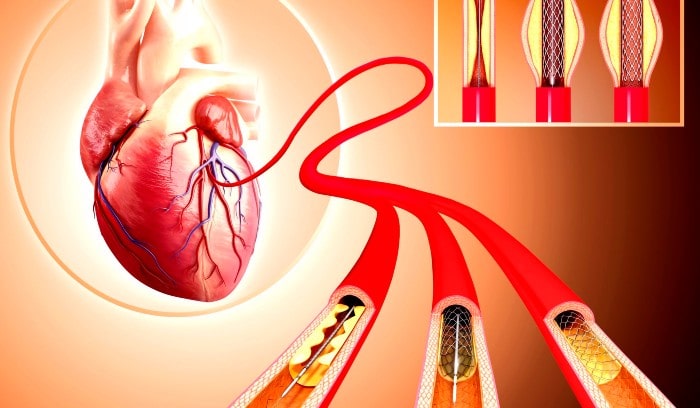
What is coronary angioplasty?
The process of angioplasty involves getting a wire across the blocked artery then railing a balloon along the wire and opening the block by inflating the balloon. This is called POBA (plain old balloon angiogplasty). Since the possibility of re-occlusion is high with time, a tubular mesh crimped over a balloon called a stent is placed at the block and balloon inflated. This launches the stent similar to opening an umbrella and it keeps the vessel open and prevents it from collapsing at the area of obstruction. Present day stents are thin with a medication coat to prevent a complication called “in stent re-stenosis” (ISR) seen mostly between 6-12 months after doing the angioplasty wherein a layer of skin grows within the stent and causes occlusion of the artery.
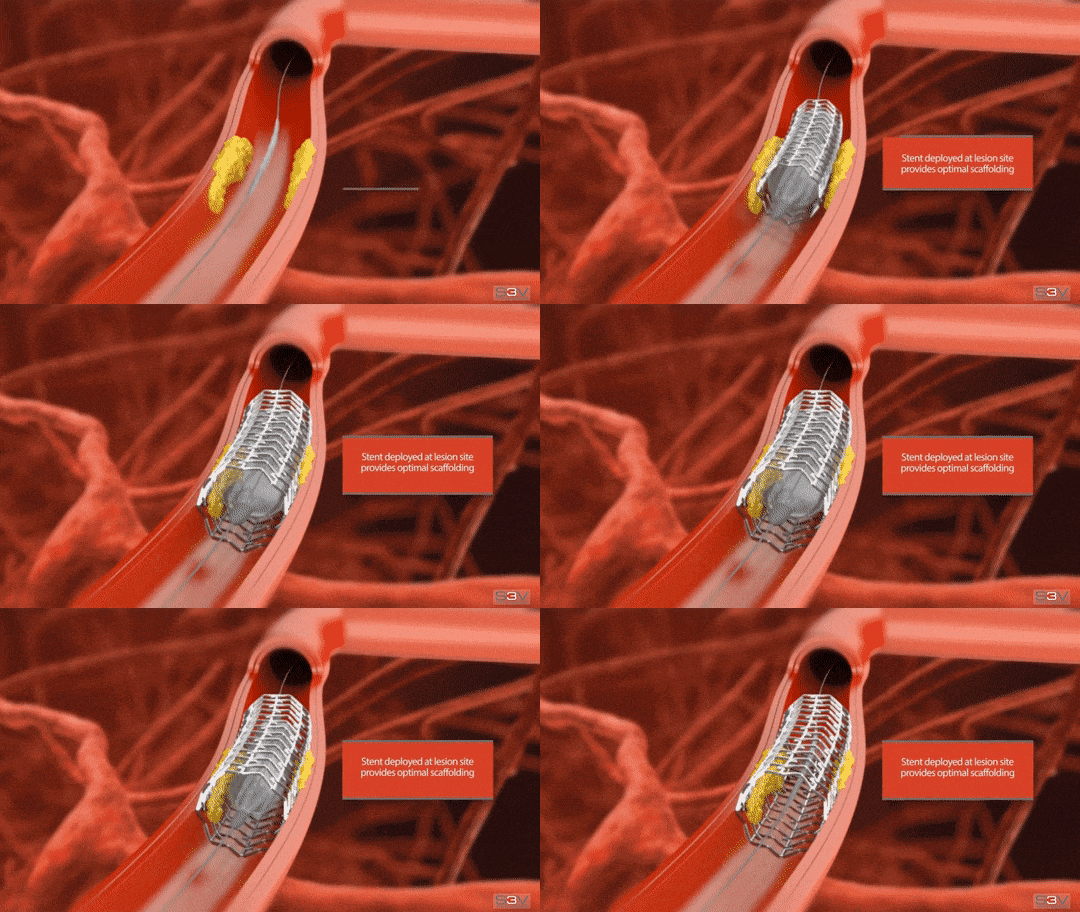
What is thrombus suction?
When a patient comes with a heart attack, it is usually a blood clot which has caused a sudden obstruction. This clot is sucked out with a narrow tube which runs over a wire which is initially passed across the block
What is rota ablation?
Many a times, the wire can be passed across a partially obstructed artery but a balloon cannot be passed or it cannot be dilated adequately due to deposition of calcium within the artery. In such a situation a small diamond dust coated drill is used to bore through the calcium at very high rotations per minute
What is IVUS/ OCT?
IVUS stands for “intravascular ultrasound” where ultrasound micro catheters are used to visualise the inside of the blood vessels. It helps the doctor to know the nature of disease of the blood vessel form the inside, the kind of intervention that can be executed and to confirm if the job is well done.
OCT stands for “optical coherence tomography”. It is another modality to visualise the inside of the blood vessel similar to IVUS except that it uses light waves instead of sound waves. The two modalities have their own advantages and disadvantages and will be used by your doctor according to the situation
What is FFR?

When a block is doubtful whether it is severe enough to cause chest pain, we use FFR (fractional flow reserve). Here the pressure before and after the block is measured with the help of a small piezoelectric crystal mounted on a wire. If there is more than 20% drop in pressure across the obstruction then it is an indication to do angioplasty. Other modifications in vogue are IFR, QFR and RFR. Here different algorithms are used to study the pressure waves to arrive at the degree of criticality of the block.
CTO (chronic total occlusion)- When a vessel remains 100% blocked for more than 3 months it is called a CTO. Angioplasty for such blocks needs specialised hardware and additional skills. Successful angioplasty in the real world can reach upto 90% in such cases