Health Monitor Devices in Sarjapur Road, Bangalore

- Electronic BP apparatus – It is a simple device widely available, very economical and easy to measure blood pressure and pulse. Advisable that it is present in the medical closet of every house. BP is best measured when the person is mentally and physically relaxed (typically at home) and a series of readings can be noted down and presented to the cardiologist so that the hypertension medications can be more appropriately titrated. It can also guide the doctor when to start BP medications in an otherwise normotensive patient
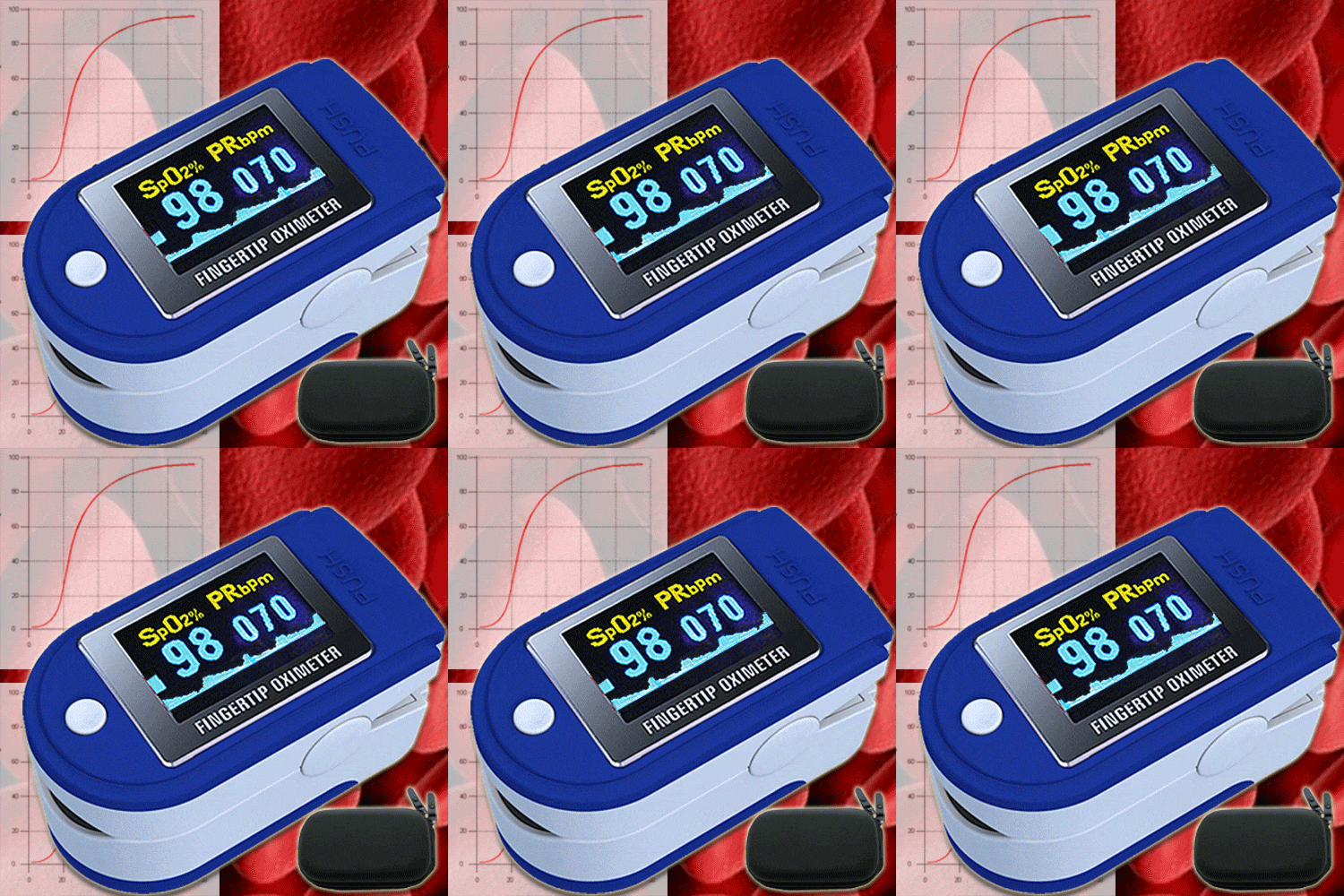
- Pulse oxymeter – You can measure the oxygen saturation and pulse rate(heart beat) with this simple to use instrument by just slipping your finger into the device.
- Smart watches/fitness trackers – Apart from tracking your pulse, saturation these devices gives a host of information about your day to day activity, sleep health, calories burnt and guides the user about the amount and kind of physical that he should do in accordance to the targets set.
- Smart jewellery- incorporation of health tracking capabilities as in smart watches into jewellery has the advantage of more social acceptance and appropriateness. These are however less common in the market at present
- Smart clothing – Companies are researching the utility of advanced tracking technology in the t-shirt or the shoe that one wears. The breathing pattern or the walking or sprinting pattern are better monitored and analysed
- Implantables- Small implant devices have been put to use to control various additional functions from being within the body. It could be simple measurement of blood sugars to controlling the lights in your house. It is too early to put them to safe wide spread use for the betterment of humanity but the future is much nearer than we think
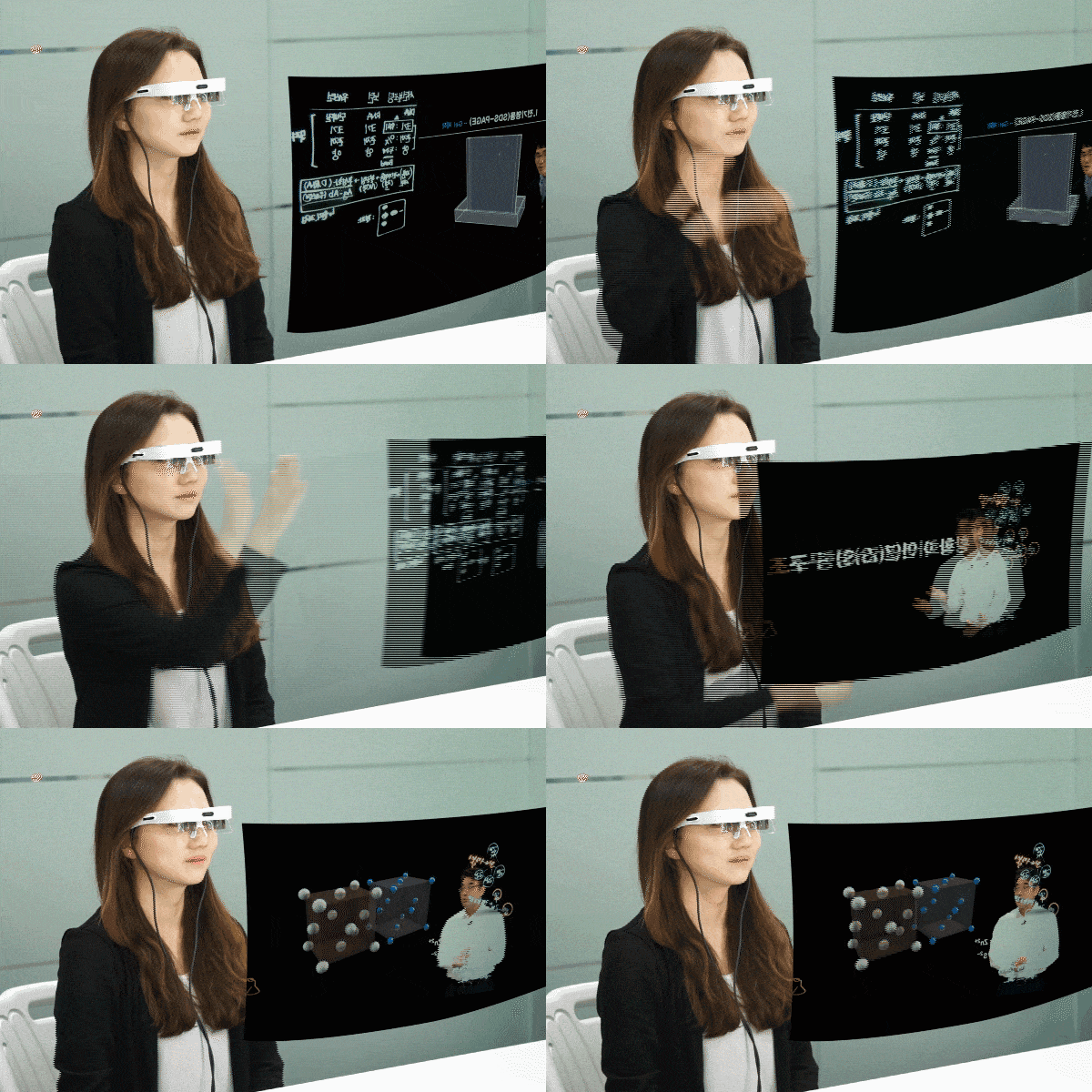
- Head Mounted Displays (HMDs)- They function as monitors, provide information superimposed over reality via augmented reality (AR) or immerse the user in a virtual reality (VR) setting. Although it is currently used in the gaming industry, it can be used for instance in treatment of psychiatric patients with phobias by virtually re-creating the scenario and positively conditioning to it. It can play a role in improving the efficiency of surgeons in the OT. The scope of utility of such devices is bound to widen in the near future and make monitoring and medically guiding the general population a bigger success
Frequently Asked Questions
Yes. Regular home readings can help doctors assess blood pressure control and adjust medicines when needed.
Yes. Measuring while mentally and physically relaxed can provide more useful home blood pressure readings.
Yes. A pulse oximeter can measure oxygen saturation and pulse rate by placing a finger inside the device.
They can monitor pulse, activity, sleep, calories, and other measures through wearable health technology.
Yes. Fitness trackers can provide activity information and help users work toward suitable daily physical-activity targets.
Some are. Smart jewellery can incorporate health-tracking functions similar to those found in smartwatches.
Emerging smart clothing technology may help track breathing patterns and walking or sprinting movements.
Potentially. Implantable health devices are being researched for monitoring or controlling different functions within the body.
Yes. Head-mounted displays (HMDs) may have medical applications such as surgical support and certain therapeutic uses.
A series of accurate readings can help with hypertension medication management and more appropriate treatment decisions.