Hypertension Treatment in Sarjapur Road Bangalore
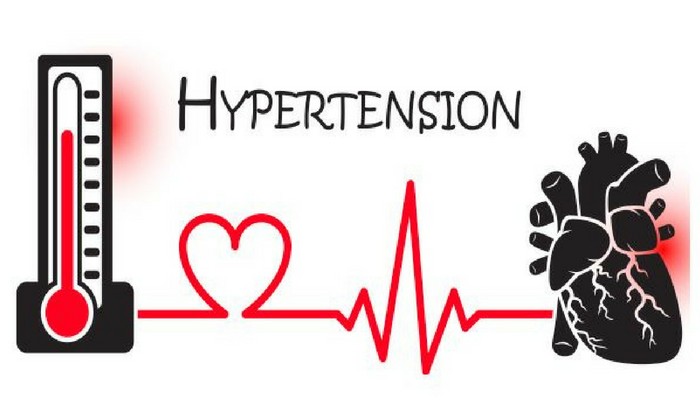
Hypertension is the sideward pressure exerted by the column of blood on the blood vessels. When the heart contracts, its exerts as certain pressure (systole) and during relaxation of the heart a lower pressure called diastole is recorded. If the values are >140/90 at rest consistently then one is said to have hypertension.
Do you know hypertension is often called the 'silent killer'? The reason is that it provides little evidence that it exists. Until the underlying high blood pressure provokes chronic problems like a heart attack or a stroke, the condition may go unnoticed in many.
In most cases hypertension does not show any signs or symptoms affecting predominantly the elderly and middle age. Most people may not be even aware that they have hypertension apart from few, who may experience symptoms like headache or sense of fullness in the head, uneasiness, disturbance in vision or vomiting. When high blood pressure is not recognised for long, the condition can get worse and symptoms of end organ damage begin to manifest. The organs predominantly affected are the brain, heart, kidney and eyes.
Listed below are few of the lesser known symptoms of high blood pressure which one should be aware of:
- Irregular heartbeat caused due to stiffening and dilation of the chambers of the heart
- Vision problems like blurred vision or even loss of sight
- Confusion and dizziness
- Pain in the chest region ranging from a dull ache to a sharp stab
- Breathing difficulty more noticeable during physical activity or exercising
- Nosebleeds
- Recurrent Headache
What you can do to control blood pressure?
A healthy lifestyle has an active role in treating hypertension. It can help avoid/delay the onset of hypertension and reduce the chances for medication. Below are some of the lifestyle changes one can implement to lower blood pressure:
- Regular exercise: If there is one thing which you can do to reduce the chances and control hypertension, then it is through exercise. All you have to do is engage yourself in any of the physical activity which you love- like walking, jogging, aerobics and gymming for a minimum of 30 minutes every day. It can help lower your blood pressure by 5-8mm Hg.
- Limit sodium intake: It is advised to consume only about 2-3 grams of salt per day. This would translate to consumption of a teaspoon of salt in a day. Those with other additional medical conditions should consider 1.5 to 1.8 grams per day. Salt consumption within the above limits would translate to a 3-4 mm of Hg reduction in BP
- Reduce weight: By reducing your weight you can significantly reduce blood pressure. It should be noted that for every 10kg of weight loss from your body, you are reducing blood pressure by 5-10 mm Hg.
- Reduce stress: Stress and hypertension are closely related. Our body is naturally designed to handle stress temporarily but if you are always under stress, there is a spike in the hormones and sympathetic neural discharge that causes blood vessels to narrow and burdens your heart to pump harder. Hence Indulge in activities that help reduce your stress levels.
- Choose healthy food: Take a diary and note down what you eat for a week. This will help you identify your actual eating habits and then alter them with a healthy diet. Choose a diet that is rich in whole grains, fruits and vegetables. Include more potassium in your diet. Say no to alcohol and tobacco consumption. When you head out for grocery shopping, read the labels and choose your food wisely.
The above measures will delay the onset of hypertension in the vulnerable population and bring about efficient control of blood pressure in those who are under medication.
Why does the Blood pressure increase with age?

With age the elastic nature of the blood vessels of the body is reduced and hence the BP tends to gradually increase. This is called essential /primary hypertension
Any other cause responsible for the BP to be high is called secondary hypertension. It is seen in less than 10% of patients with hypertension
Before diagnosing hypertension, the person should have documented BP >140/90 on multiple occasion at rest. Sometimes a miniaturised BP machine is used to record about 80 readings over 24 hours called ambulatory BP monitoring to diagnose if the person really has high BP or it was situational or due to anxiety
What are the tests to be done for Hypertension?
- To identify if there are any organ affection due to high BP one has to do
- ECG and Echocardiogram as cardiac evaluation
- Urine routine and ultrasound abdomen and pelvis as evaluation of the kidneys
- Eye examination to see if there are any degenerative changes in the retina
In case of suspected secondary hypertension, your doctor might ask for some special tests. These onetime tests are strongly recommended as they can cure the hypertension in some cases. The test does incur some costs but should be considered if affordable
How is hypertension treated?

Remember to maintain a record of your home pulse and BP and present it to the doctor so that he can adjust the medications accordingly and not get biased with the hospital environment induced higher BP readings. It is likely that you might have to see your doctor multiple times before the correct medications, its strength and frequency is determined to control your hypertension. So patience and commitment is of utmost importance from the patient's side for good BP control. It is also note worthy that as one ages, the body composition changes and the BP medications should be titrated accordingly form time to time