Best Cardilogist in Manipal Hospital Sarjapur Road Bangalore
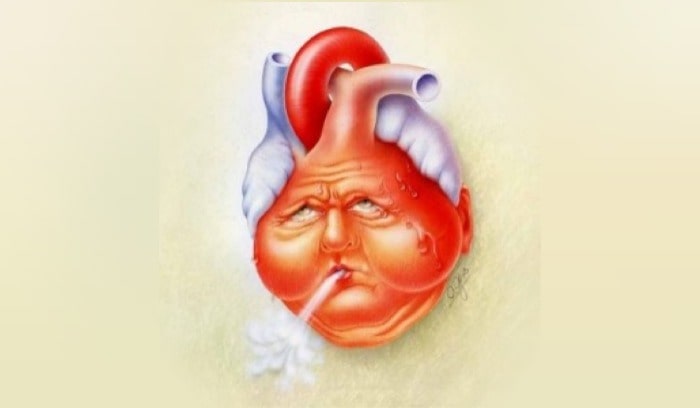
What Are the Types of Heart Failure ?
- When your heart pumps less than 50% of the blood into the circulation we call it systolic heart failure i.e heart failure with reduced ejection fraction (EF < 50%)
- Likewise when the heart does not relax adequately to receive the incoming blood we call it diastolic heart failure- however the heart pumps out >50% of the blood hence it’s called heart failure with preserved ejection fraction (HFpEF)
If a Patient Is Having Heart Failure Does It Mean He or She Will Be Symptomatic
- If the person is having optimum fluid in body and stable and normal heart rate then he will not experience symptoms for normal activities and is said to be in a state of “ compensated heart failure”
- If the individual is having any or all of such features like increased body fluid, wet lungs, increased heart rate and inability to do ordinary day to day activities we call it “decompensated heart failure”
What Are the Symptoms Patient Will Experience if in Decompensated Phase of Heart Failure
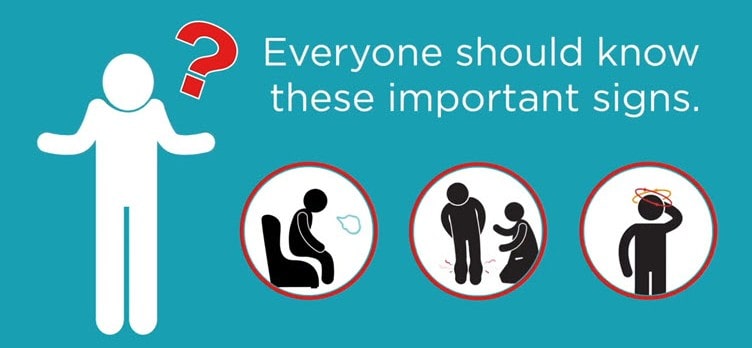
- Shortness of breath at rest or doing mild activity
- Difficulty in breathing while lying flat in bed
- Reduced appetite, early satiety and abdominal bloating soon after feeds
- Anemia and decreased urination
- Cough with frothy sputum which can be pinkish or blood tinged
- Swelling in feet, abdominal wall, eyelids/face or the whole body (anasarca)
- Increase in body weight (due to fluid accumulation)
How to Manage Heart Failure
- After proper clinical evaluation and relevant investigations your cardiologist is going to guide you with medications and advice on lifestyle which you will need to strictly adhere to
- What are those life style changes??
- Restrict physical activity to less than what is personally perceived as strenuous. This is because your heart does not have extra functional reserve to come in handy to do additional work unlike in a normal heart
- Make sure all liquid foods including water amounts to not more than 1.5 liters/day. This is perhaps the most important measure to prevent repeated admissions
- Restrict the daily consumption of salt. Avoid salt rich foods like pickle, ‘pappad’, ‘chips’, ‘mixture’, salted fish and other such consumables. Remember if you feel food at restraunts is too salty then you can be rest assured your daily intake is within normal limits
- Maintain a record of your weight, pulse and BP and report back to your doctor if you see a deviation. Your doctor can adjust the medications and avert another admission with heart failure
- Adhere to the medications prescribed by your doctor religiously
- Do get those special investigations for evaluating the cause of your weak heart advised by your doctor. You just might be lucky if any correctable cause for your heart failure is identified
- AICD (Automated implatable cardioverter-defibrillator) implantation should be seriously considered for those whose pumping function is < 30% (EF < 30%) to prevent any sudden cardiac death (SCD) from an arrhythmia as primary prevention. Those which history of collapse or documented dangerous arrhythmia and low EF should undergo AICD implantation
- Those with poor ejection fraction and having difficult management of heart failure should consider registering for heart transplantation so that they will be placed in the queue
- Those patients whose heart fails completely before a heart transplantation are connected to artificial heart or a left ventricular assist device to buy time (bridge therapy) until the successful transplantation
Frequently Asked Questions
Yes. Shortness of breath can occur even at rest or during mild physical activity when heart failure worsens.
Fluid accumulation can affect the lungs and cause breathing difficulty when lying down.
It can. Patients may experience reduced appetite, early satiety, and abdominal bloating after eating.
Yes. Decreased urination may occur along with fluid retention in some patients.
Yes. A cough producing frothy, pinkish, or blood-tinged sputum can occur with pulmonary congestion.
No. Heart failure-related swelling can also affect the abdomen, eyelids, face, or the entire body.
No. In heart failure, rapid weight gain can result from fluid accumulation rather than increased body fat.
Fluid buildup may cause abdominal bloating and make a person feel full soon after eating.
Increasing breathlessness, swelling, reduced urination, and weight gain can indicate decompensated heart failure.
Yes. Fluid retention can sometimes cause facial and eyelid swelling, in addition to swelling elsewhere in the body.