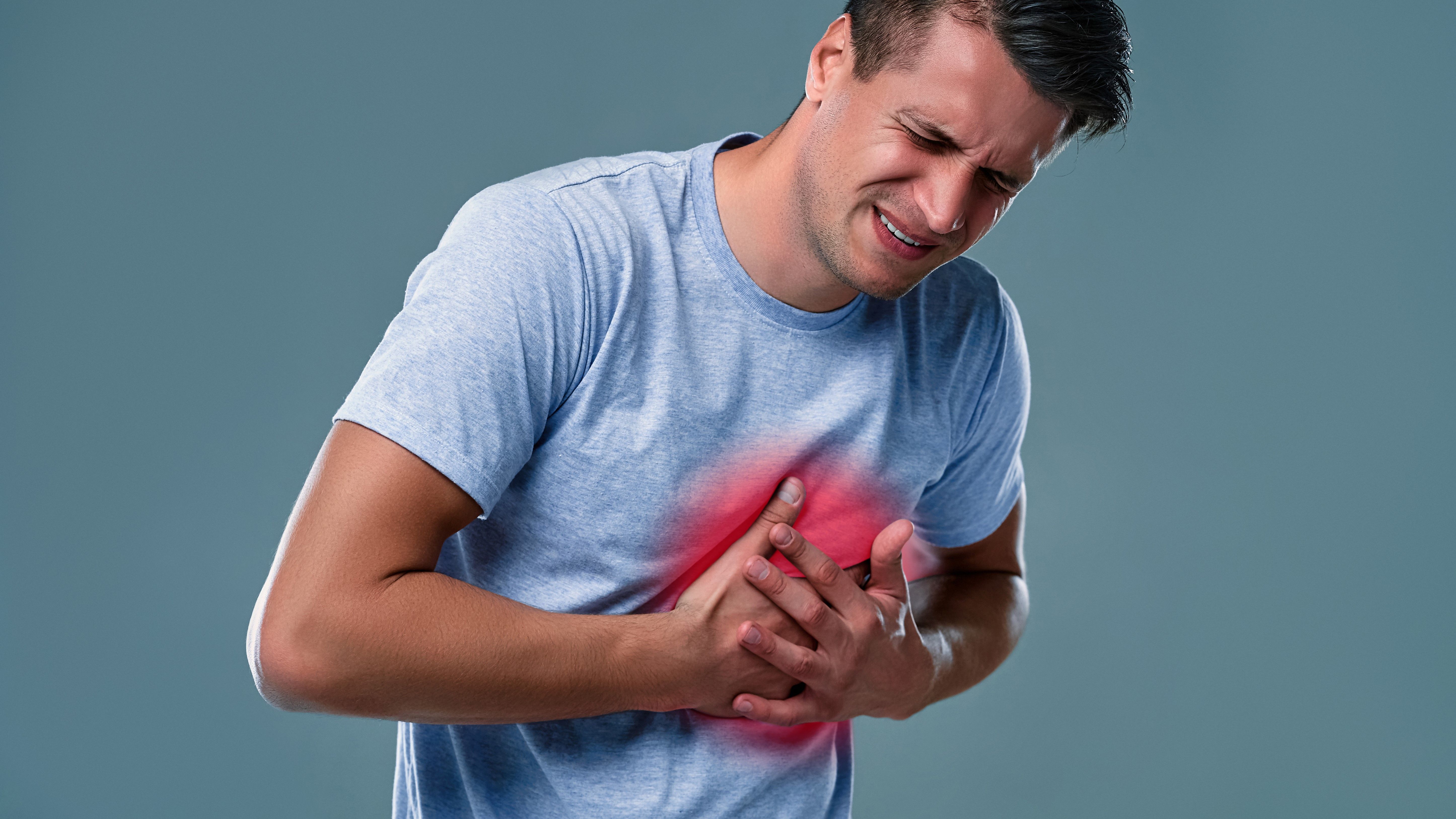
Until a few years ago, heart attacks were commonly associated with older age. Most people believed cardiac problems mainly affected individuals above 55 or 60.
That belief is changing rapidly.
Today, cardiologists are increasingly seeing patients in their:
- Late 20s
- 30s
- Early 40s
with serious heart-related conditions, including heart attacks.
Many of these individuals:
- Exercise occasionally
- Appear physically healthy
- Continue working actively
- Have no obvious symptoms
which makes the diagnosis even more shocking for families.
Modern lifestyle patterns are significantly contributing to the rise in cardiovascular disease among younger adults.
Why Are Heart Attacks Increasing Among Young Adults?
Heart disease rarely develops overnight.
In most cases, it builds silently over years due to multiple risk factors acting together.
Modern urban lifestyles have dramatically changed:
- Eating habits
- Sleep quality
- Physical activity
- Stress levels
- Work schedules
- Screen exposure
Unfortunately, the heart often pays the price for these long-term lifestyle imbalances.
The Biggest Modern Risk Factors Affecting Heart Health
1. Chronic Stress and Work Pressure
One of the most underestimated contributors to heart disease today is prolonged stress.
Long working hours, mental pressure, financial stress, lack of work-life balance, and constant digital engagement can continuously increase stress hormone levels in the body.
Over time, chronic stress may contribute to:
- High blood pressure
- Increased heart rate
- Poor sleep
- Inflammation
- Unhealthy eating patterns
Many young professionals ignore these warning signs until symptoms become severe.
2. Sedentary Lifestyle
Modern routines involve prolonged sitting:
- Desk jobs
- Remote work
- Long commutes
- Continuous screen time
Even people who go to the gym occasionally may still spend most of their day physically inactive.
Lack of regular movement affects:
- Blood circulation
- Cholesterol balance
- Blood sugar control
- Body weight
All of which influence heart health.
3. Poor Dietary Habits
Fast food culture, processed meals, excessive sugar intake, and late-night eating patterns are becoming increasingly common.
Frequent consumption of:
- Fried foods
- Sugary beverages
- Packaged snacks
- Excess salt
- Processed meat
can gradually increase cardiovascular risk.
Many young adults underestimate how strongly diet affects the heart.
4. Smoking and Vaping
Smoking remains one of the strongest risk factors for heart disease.
Even occasional smoking can:
- Damage blood vessels
- Reduce oxygen supply
- Increase clot formation risk
- Raise blood pressure
Vaping is also not considered harmless for cardiovascular health.
5. Diabetes and High Blood Pressure at Younger Ages
Conditions once considered “age-related” are now appearing much earlier.
Young adults are increasingly being diagnosed with:
- Type 2 diabetes
- Hypertension
- High cholesterol
- Obesity
Unfortunately, many individuals remain unaware because these conditions may not cause obvious symptoms initially.
The Most Common Early Warning Signs People Ignore
Many heart attack patients report experiencing symptoms days or even weeks earlier but failing to recognize them.
Chest Discomfort
Not all heart-related chest pain feels severe.
Some people describe:
- Tightness
- Pressure
- Burning sensation
- Heaviness
- Mild squeezing
Symptoms may come and go.
Breathlessness
Difficulty climbing stairs or feeling unusually tired during routine activities may indicate reduced cardiac efficiency.
Pain Radiating to Other Areas
Heart-related discomfort can sometimes spread to:
- Left arm
- Jaw
- Neck
- Back
- Shoulders
This is often mistaken for muscle pain or acidity.
Excessive Sweating
Sudden sweating without physical exertion can sometimes accompany cardiac events.
Unusual Fatigue
Persistent unexplained tiredness should never be ignored, especially if associated with breathlessness or chest discomfort.
Not Every Heart Attack Looks Dramatic
Movies often portray heart attacks as sudden collapse with severe chest pain.
In reality, symptoms can be subtle.
Some patients continue normal activity despite ongoing heart damage.
This is particularly common in:
- Diabetics
- Younger individuals
- Women
which makes awareness extremely important.
The Role of Preventive Cardiology
One of the biggest changes in modern heart care is the growing focus on prevention rather than emergency treatment.
Preventive cardiology focuses on identifying risk factors early before major complications develop.
This includes evaluating:
- Blood pressure
- Cholesterol
- Diabetes risk
- Family history
- Lifestyle patterns
- Stress levels
- Obesity
- Sleep quality
Preventive heart screening is increasingly important even for younger adults with busy urban lifestyles.
Family History Matters More Than Many Realize
If close family members have:
- Heart disease
- Diabetes
- High blood pressure
- Sudden cardiac events
your own risk may be significantly higher.
Even physically active individuals with strong family history should undergo periodic heart evaluation.
Why Sleep Is More Important Than People Think
Poor sleep directly affects:
- Blood pressure
- Hormone balance
- Metabolism
- Stress response
- Heart rhythm
Sleeping less than 6 hours regularly may increase cardiovascular risk over time.
Irregular sleep schedules and excessive screen exposure before bedtime can further worsen heart health.
How Cardiologists Evaluate Heart Health
Cardiac evaluation does not always mean invasive procedures.
Depending on symptoms and risk profile, cardiologists may recommend:
- ECG
- Echocardiogram
- Treadmill stress test
- Blood pressure monitoring
- Cholesterol testing
- Diabetes screening
- CT coronary evaluation
- Angiography in selected cases
Early detection allows timely treatment and lifestyle correction.
Simple Habits That Can Protect Your Heart
Move Regularly
Avoid prolonged sitting for continuous hours.
Prioritize Sleep
Aim for consistent sleep schedules.
Eat Fresh Home-Cooked Meals
Reduce processed and high-sodium foods.
Manage Stress
Regular exercise, relaxation, and mental wellness practices help reduce cardiovascular strain.
Stop Smoking
Even light smoking affects blood vessels.
Get Regular Health Checkups
Especially if you have family history or lifestyle-related risk factors.
Frequently Asked Questions
Can young adults really get heart attacks?
Yes. Heart attacks are increasingly affecting younger individuals due to stress, lifestyle changes, smoking, diabetes, and obesity.
What are the early symptoms of heart problems?
Chest discomfort, breathlessness, unusual fatigue, sweating, and pain radiating to the arm or jaw can be warning signs.
Is chest pain always related to the heart?
No, but recurring or unexplained chest discomfort should always be medically evaluated.
Can stress affect heart health?
Yes. Chronic stress contributes to high blood pressure, inflammation, and increased cardiovascular risk.
How often should heart checkups be done?
Individuals with risk factors such as diabetes, obesity, smoking, or family history should undergo periodic cardiac evaluation.
Can heart disease be prevented?
Many heart-related conditions can be significantly reduced through healthy lifestyle habits and early screening.
The Bigger Reality: Heart Disease Is Becoming a Lifestyle Disease
The increasing number of cardiac problems in younger adults reflects how dramatically modern lifestyles have changed.
The body often gives warning signs long before major heart events occur. Unfortunately, many people delay evaluation because they assume they are “too young” for heart disease.
Awareness, preventive care, and timely medical attention can make a life-saving difference.
Final Thoughts
Heart attacks in young adults are no longer rare.
Ignoring symptoms, delaying checkups, and overlooking lifestyle risks can allow silent heart disease to progress unnoticed.
Understanding the warning signs and taking preventive action early can help protect long-term heart health and overall well-being.
If you experience chest discomfort, breathlessness, fatigue, or have cardiovascular risk factors, consulting a qualified cardiologist is an important step toward prevention and early diagnosis.


Leave a comments