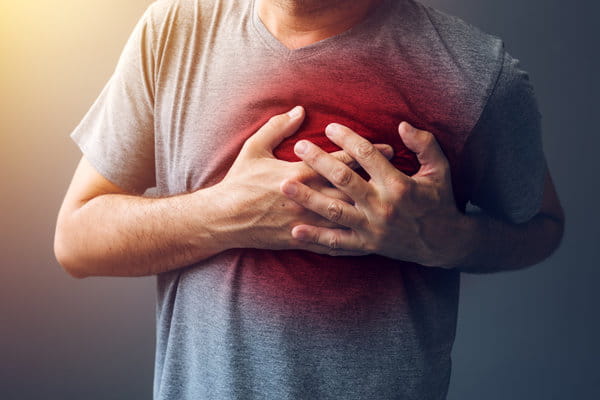
Heart disease is one of the leading causes of health complications worldwide, yet many people remain unaware that they have a heart condition until a serious event occurs. This is because heart disease can progress silently, without obvious warning signs.
Silent heart disease develops gradually, affecting the heart and blood vessels long before noticeable symptoms appear. Recognizing subtle changes early can help prevent life-threatening complications.
What Is Silent Heart Disease?
Silent heart disease refers to heart conditions where reduced blood flow or early artery blockage occurs without classic chest pain or dramatic symptoms. Many patients continue their daily routine, unaware that their heart is under strain.
Conditions such as early coronary artery disease or silent ischemia fall under this category.
Who Is More Likely to Develop Silent Heart Disease?
Silent heart disease is more common in:
- People with diabetes
- Individuals with high blood pressure
- Those with high cholesterol
- Smokers
- People with a family history of heart disease
- Adults over 40
- Individuals with a sedentary lifestyle
Even physically active people can develop silent heart disease if risk factors are present.
Subtle Signs You Should Not Ignore
Silent heart disease may present with mild or unusual symptoms such as:
- Unexplained fatigue during routine activities
- Shortness of breath while walking or climbing stairs
- Mild chest discomfort or heaviness
- Pain or discomfort in the shoulder, arm, neck, jaw, or back
- Dizziness or light-headedness
- Irregular heartbeat or palpitations
- Frequent indigestion not related to food
These symptoms are often mistaken for stress, acidity, or aging.
Why Silent Heart Disease Is Dangerous
Because symptoms are minimal or ignored, diagnosis is often delayed. This allows the disease to progress unnoticed, increasing the risk of:
- Sudden heart attack
- Heart failure
- Irreversible heart muscle damage
- Emergency hospitalization
Early detection can significantly reduce these risks.
How Is Silent Heart Disease Detected?
A cardiologist may recommend tests such as:
- ECG to assess heart rhythm
- Echocardiogram to evaluate heart function
- Stress testing to detect reduced blood flow
- Blood tests to assess cholesterol and sugar levels
- Advanced imaging when required
Regular screening is crucial for people with risk factors.
Lifestyle Steps to Protect Your Heart
Heart health can be improved through:
- Balanced, heart-friendly diet
- Regular physical activity
- Quitting smoking
- Controlling blood pressure and diabetes
- Managing stress
- Maintaining healthy sleep habits
Lifestyle changes combined with medical guidance offer long-term protection.
When Should You Seek Immediate Medical Attention?
Seek urgent care if you experience:
- Sudden chest pain or pressure
- Severe breathlessness
- Sudden sweating or nausea
- Fainting or near fainting
- Pain spreading to arm, jaw, or back
These may indicate a heart attack and require immediate attention.
Frequently Asked Questions (FAQs)
Can heart disease really exist without symptoms?
Yes. Many people have heart disease without noticeable symptoms. This is why it is called “silent” heart disease.
Who should get screened for silent heart disease?
Anyone over 40, or individuals with diabetes, high blood pressure, high cholesterol, smoking history, or family history of heart disease should undergo regular screening.
Is chest pain always present in heart disease?
No. Chest pain may be mild, absent, or replaced by symptoms like fatigue, breathlessness, or indigestion.
Can silent heart disease lead to a heart attack?
Yes. Silent heart disease can progress unnoticed and suddenly present as a heart attack if not detected early.
How often should I get my heart checked?
This depends on your risk factors. High-risk individuals may need annual checkups, while others may require periodic screening as advised by a cardiologist.
Can lifestyle changes reverse silent heart disease?
Lifestyle changes can slow progression and improve heart health. In some cases, they significantly reduce risk when combined with proper medical treatment.
Is fatigue really a heart-related symptom?
Yes. Persistent or unexplained fatigue can be an early sign of reduced heart efficiency.
What is the biggest mistake people make regarding heart health?
Ignoring mild symptoms and delaying heart checkups, especially when risk factors are present.
Final Takeaway
Silent heart disease does not announce itself loudly—but its consequences can be severe. Awareness, timely screening, and preventive care are key to protecting your heart.
If you have risk factors or unexplained symptoms, a cardiology consultation can help detect problems early and guide you toward better heart health.


Leave a comments